Electroculture: Harnessing Electricity for Bountiful Landscapes
Electroculture: Harnessing Electricity for Bountiful Landscapes
Blog Article
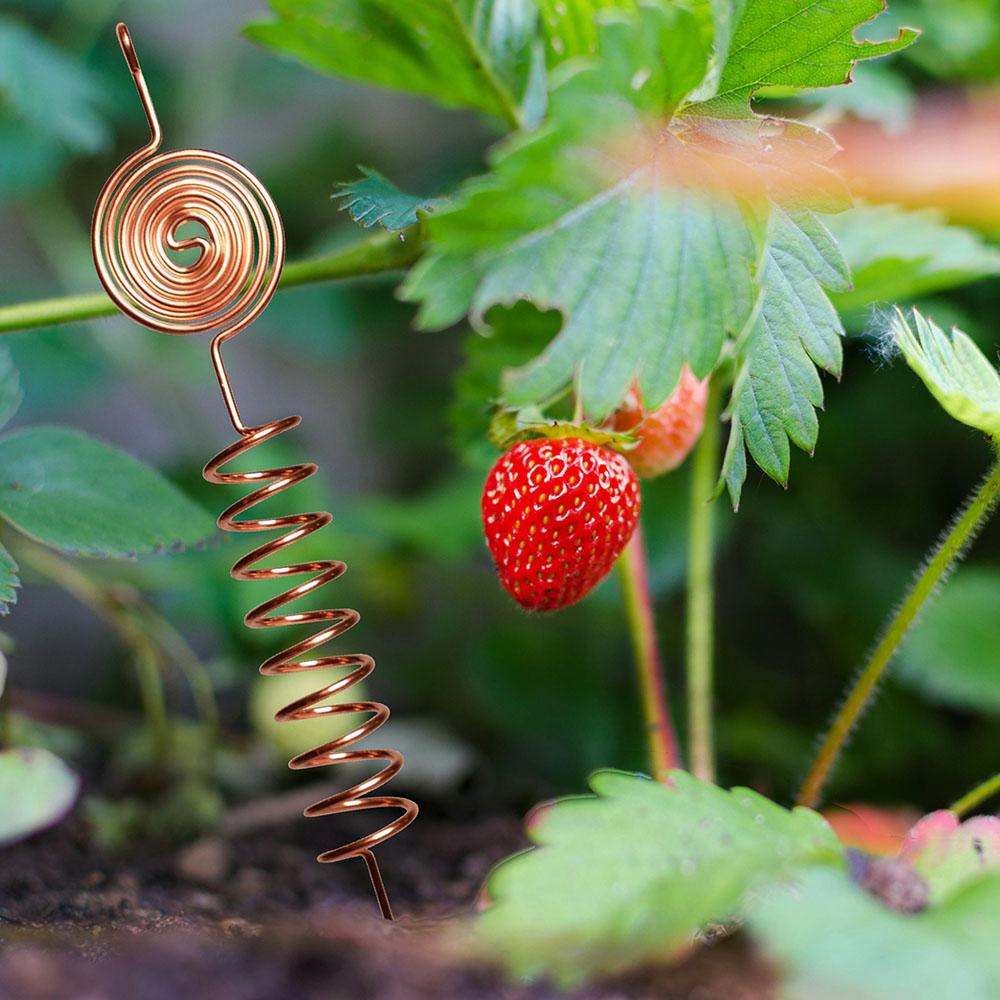
Electroculture, an unusual technique , proposes that vegetation can benefit when given to gentle electric fields . Certain electroculture contend that this subtle boost promotes mineral uptake , resulting to accelerated growth and conceivably bigger harvests . While rigorous validation has been scarce , dedicated enthusiasts share remarkable gains in their personal gardens , fueling further investigation of this alternative approach to farming and sustenance cultivation.
An Introductory Guide to Electro-culture Gardening
Interested click here to learn a unique gardening technique ? Electro-culture gardening involves harnessing electric energies to improve plant development . The process sounds advanced , but the core principles are surprisingly straightforward to comprehend. Typically, it includes creating the grid of conductive wire above your crops, often connected to a gentle energy source. While rigorous proof exists limited, many enthusiasts experience significant benefits in vegetation health and harvest. This briefly examine the fundamentals in upcoming sections.
Is Electroculture Really Operate? Separating Fact from Fantasy
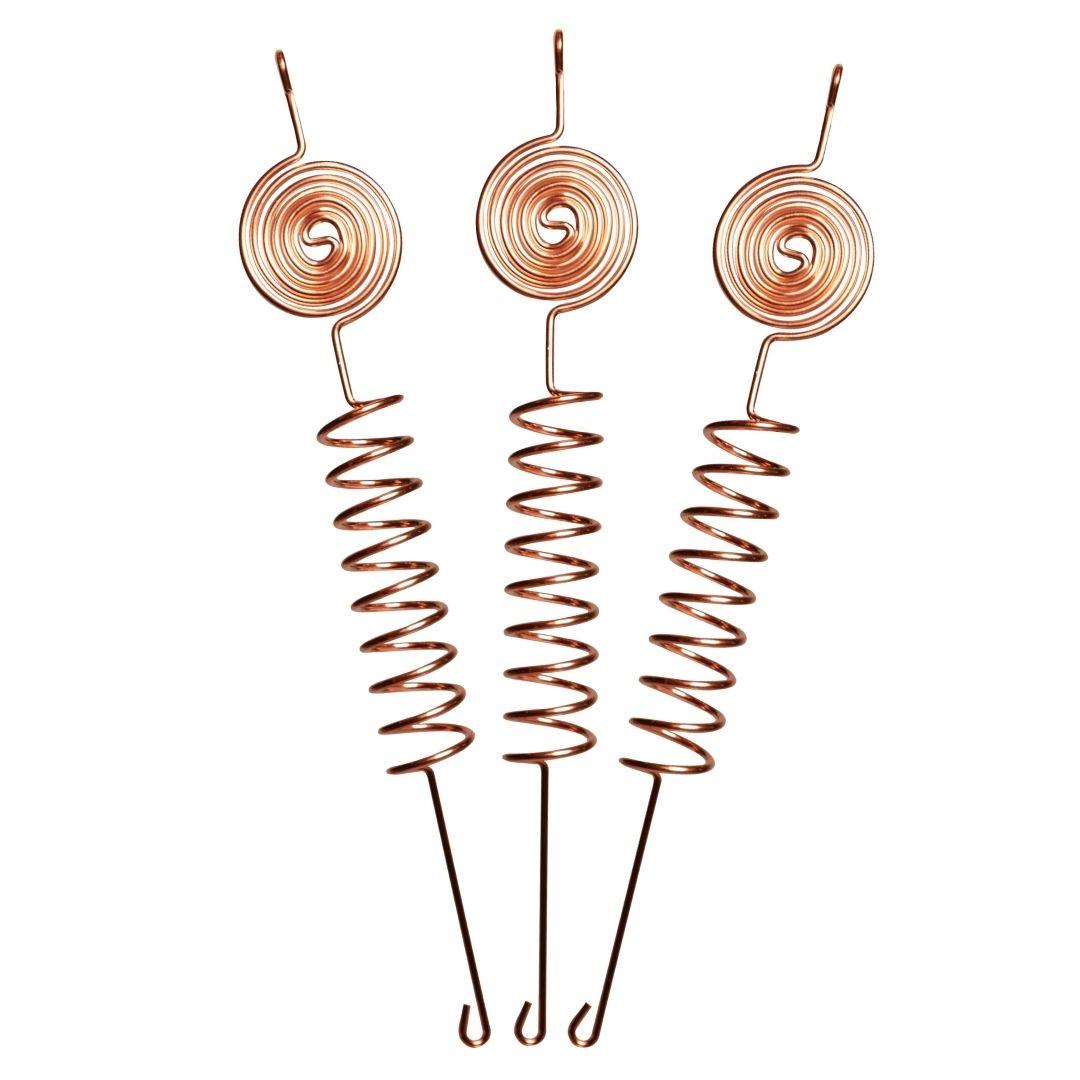
Electroculture, an approach employing minimal current to boost vegetation production, sparked considerable buzz online. However, it's essential to closely evaluate the statements and distinguish legitimate findings from questionable promotion. While several initial tests seem to show increased outputs, the scientific basis remains mostly unexplained. Several allegedly achievements may be due to other factors, like the earth, hydration, or basic coincidence. Better investigation and official confirmation are required to confirm whether electroculture represents viable growing practice.
Building Your Own Bioelectrical Garden: A Step-by-Step Guide
Embarking towards the intriguing world of electroculture can seem daunting, but creating your personal electroculture garden is surprisingly doable with a certain basic steps. First, collect your materials: a pot , copper strips, zinc material, water, and a electrical charge – a small battery or DIY cell can function . Then , position the copper and zinc surrounding the water within the container, ensuring they don't touch. The electrical field produced between these metals is thought to stimulate plant growth . Finally, monitor your plants and fine-tune the system as needed – electroculture is as much dealing with experimentation as it is dealing with following guidelines.
Bio-Electrical Farming vs. Traditional Gardening : Which The Variation ?

Many gardeners are considering electroculture as an method to conventional cultivation. While both aim to grow vibrant crops , they depend on drastically different techniques . Traditional horticulture relies on soil elements, illumination, and water , often with added nutrients . In opposition , bio-electrical farming leverages a low charge to activate crop development , possibly minimizing the need on ground and conventional nutrients . Ultimately , bio-electrical farming signifies a relatively innovative field in farming possessing unique potential .
Boosting Plant Growth with Electroculture: Potential & Practicalities
Electroculture, a controversial technique proposing plant growth through electrical charges, has sparked considerable attention amongst growers. Initial reports suggested remarkable enhancements in harvest and total plant robustness. While the precise mechanism is uncertain , some hypotheses point to greater water assimilation and nutrient distribution within the soil . Practical uses can span from basic DIY setups utilizing copper and zinc conductors to more complex configurations. However, it’s crucial to consider electroculture with consideration, acknowledging the restricted peer-reviewed rigorous proof and potential risks associated with improper implementation. Further investigation is required to completely comprehend the chance and restrictions of this intriguing strategy to cultivation.
- Potential benefits include increased yield and improved plant health.
- Consider the need for further research and scientific validation.
- Practical applications range from simple DIY systems to complex configurations.